
Arabic
The Arabic language program at the University of Washington (UW) employs a communicative and proficiency-based methodology, focusing on real-world language use and cultural context. Courses are structured to develop linguistic skills alongside cultural insights, ensuring students can navigate both formal and informal Arabic settings. Instruction primarily utilizes Modern Standard Arabic, with exposure to Egyptian and Levant Colloquial Arabic to enhance conversational abilities.
Photo by Ondrej Bocek on Unsplash
Program Overview
Interest in MELC’s Arabic and Islamic Studies Program at UW is at an all-time high. In our program, we emphasize the creation of a broad understanding of the Islamic world through the understanding of the Arabic language and Islamic cultures generally. In our language courses, students reach advanced levels of proficiency in both spoken and written Arabic. The program is designed to help undergraduates and graduate students at the Master’s level to develop their respective abilities in reading literary, religious, legal, and historical texts from all periods and all Arabic-speaking countries. We teach Arabic to a diverse body of students with a wide range of academic and professional needs. We do so by integrating knowledge of the five essential language skills: listening, speaking, reading, writing, and culture. MELC offers a comprehensive program that includes courses also on language, literature, linguistics, pedagogy, and cultural studies. In addition, MELC enhances Arabic language learning by way of a number of study abroad programs.
A brief video introduction to the UW Arabic Program
Scholarships
Internship
Course Information
"I loved every moment of my first-year Arabic language classes at UW. As a language instructor myself, I found the curriculum very strong and I felt supported and encouraged at every step of the language learning process. Most of all, though, I am grateful for the sense of community and joy I always felt in class! My Arabic language learning experience has positively impacted so many other aspects of my personal and professional life.“
Faculty's Recent Research
Publications
- Language Planning in the Arab World in an Age of Anxietyfrom Part I – Arabic Applied LinguisticsCambridge University Press: 23 September 2021. Hussein M. Elkhafaifi Edited by Karin Ryding and David Wilmsen The Cambridge Handbook of Arabic Linguistics
- Elkhafaifi, Hussein M. Language Planning in the Arab World in an Age of Anxiety. In Karin C. Ryding and David Wilmsen, eds. The Cambridge Handbook of Arabic Linguistics. Cambridge University Press: 2021.
- Aria Fani and John L. Hayes, “Basmala: Translating an Iconic Phrase.” TRANS: Revista de Traductología, 21, 2017, pp. 213-219
- Terri DeYoung, “Disguises of the Mind: Recent Palestinian Memoirs” REVIEW OF MIDDLE EAST STUDIES, (April 2017): 5-21.
- Terri DeYoung, “Ibn: Hazm: Friendship, Love and the Quest for Justice,” Muhsin J. Musawi (ed.), ARABIC LITERATURE FOR THE CLASSROOM, Routledge, 2017: 237-253.
- Terri DeYoung (trans.) and Issa J. Boullata (trans.), THREE TREATISES ON THE I’JAZ OF THE QUR’AN: by Al-Khattabi, al-Rummani and ‘Abd al-Qahir al-Jurjani, Garnet Publishing, 2015, 147 pages.
- Terri DeYoung, MAHMUD SAMI AL-BARUDI: RECONFIGURING SOCIETY AND THE SELF, Syracuse University Press, 2015, 423 pages.
- “Muhammad as Ethical Role Model,” Muhammad in History, Thought, and Culture: An Encyclopedia of the Prophet of God (2 volumes). Ed Coeli Fitzpatrick. & Adam Walker (Santa Barbara: ABC Clio Press, 2014): 169-173.
- Terri DeYoung, “Mahfouz’s Novels and the Nation,” Wail S. Hassan (ed.) and Susan Mu’addi Darraj (ed.), APPROACHES TO TEACHING THE WORKS OF NAGUIB MAHFOUZ, The Modern Language Association of America, 2012
- Terri DeYoung (trans.) and Issa J. Boullata (trans.), IBN ‘ABD RABBIH: THE UNIQUE NECKLACE (AL-‘IQD AL-FARID), Vol. III. Garnet Publishing, 2011, 317 pages.
- Terri DeYoung and Mary St. Germain (eds.), ESSAYS IN ARABIC LITERARY BIOGRAPHY, 925-1350, Harrassowitz Verlag, 2011, 371 pages
- Terri DeYoung (trans.) and Issa J. Boullata (trans.), IBN ‘ABD RABBIH: THE UNIQUE NECKLACE, VOL. II, Garnet Publishing, 2009, 327 pages.
- “An Exploration of Listening Strategies: A Descriptive Study of Arabic Learners”. Al-cArabiyya 40 (2008), 71-86.
Student Success Stories
Student Success Stories
More About Arabic
 Global
- Over 400 million Arabic speakers worldwide.
- Official language in 22 countries and is one of the six official language of the United Nations.
 Learning
- Arabic language instruction began at UW in 1909, making it one of the oldest Middle Eastern languages taught in the United States.
 Culture & Diplomacy
- The Arabic-speaking world is stretching across numerous countries with a wide array of dialects, each offering its own unique customs and traditions.
 Travel & Career
- Arabic speakers are sought after in fields such as diplomacy, business, journalism, intelligence, international development, and academia.
“My Arabic learning experience was phenomenal this year, and my teacher was one of the best teachers I have ever had not only in language learning, but also his teaching style and prowess. I have nothing but good things to say about the MELC's Arabic program.“
Discover More
-
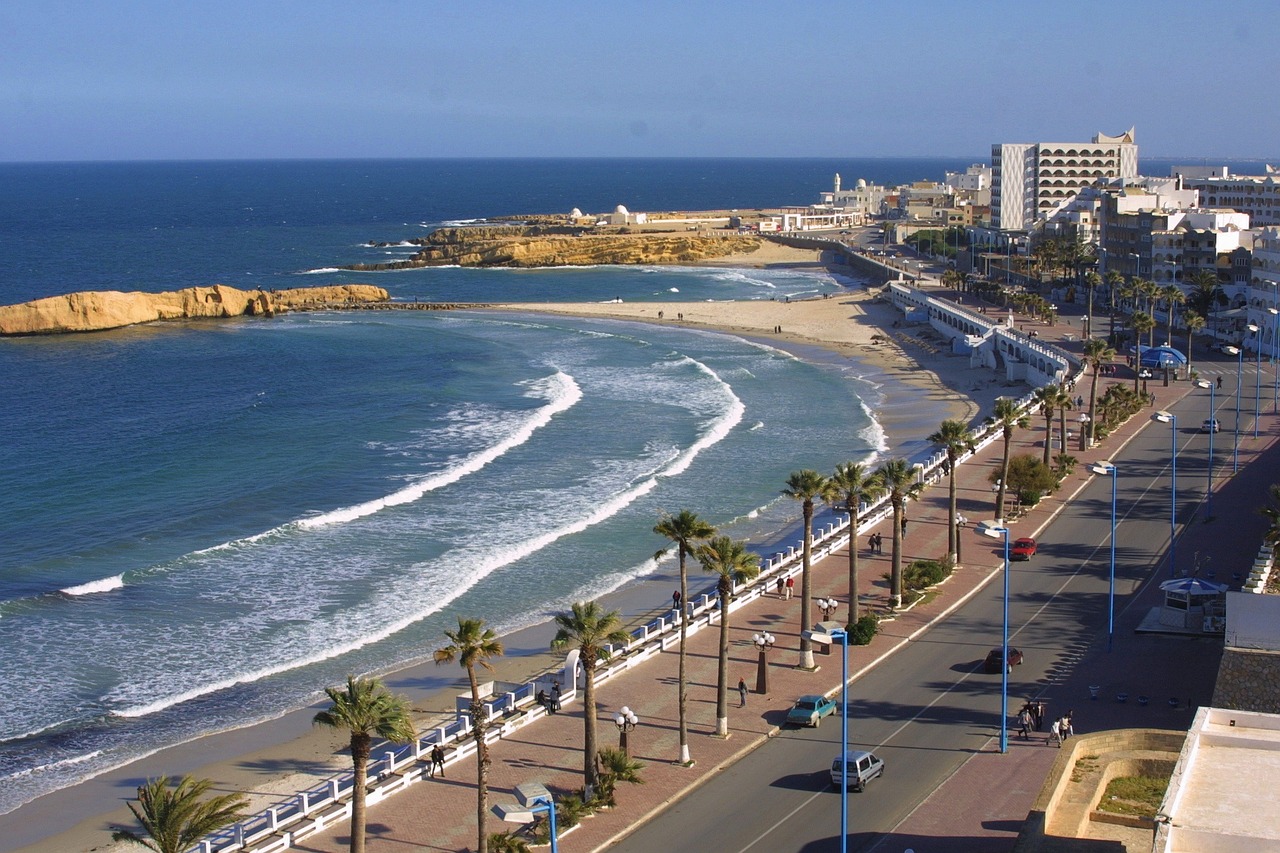
Al qurayyah, Saudi arabia, Sea image
-
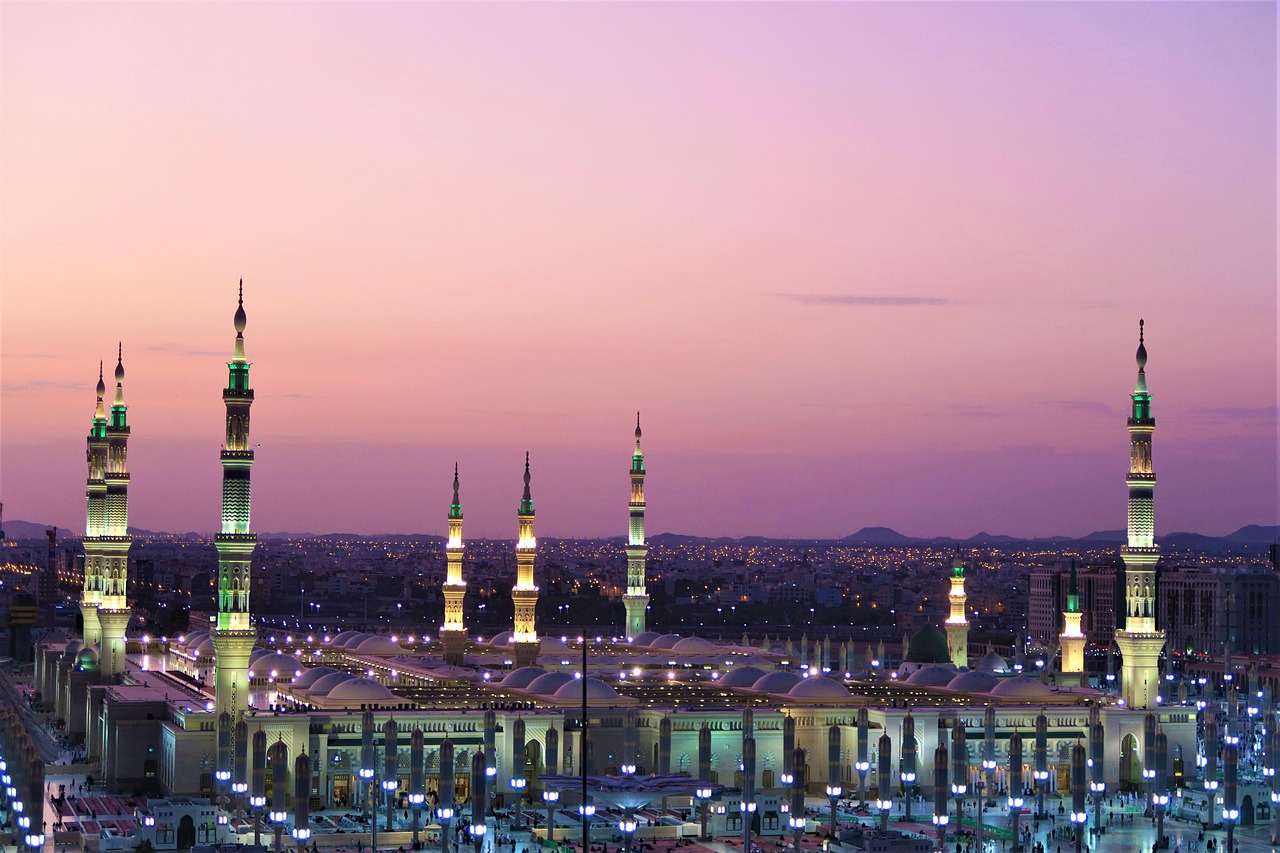
Mosque, Masjid al nabawi, Sunrise image
-
-
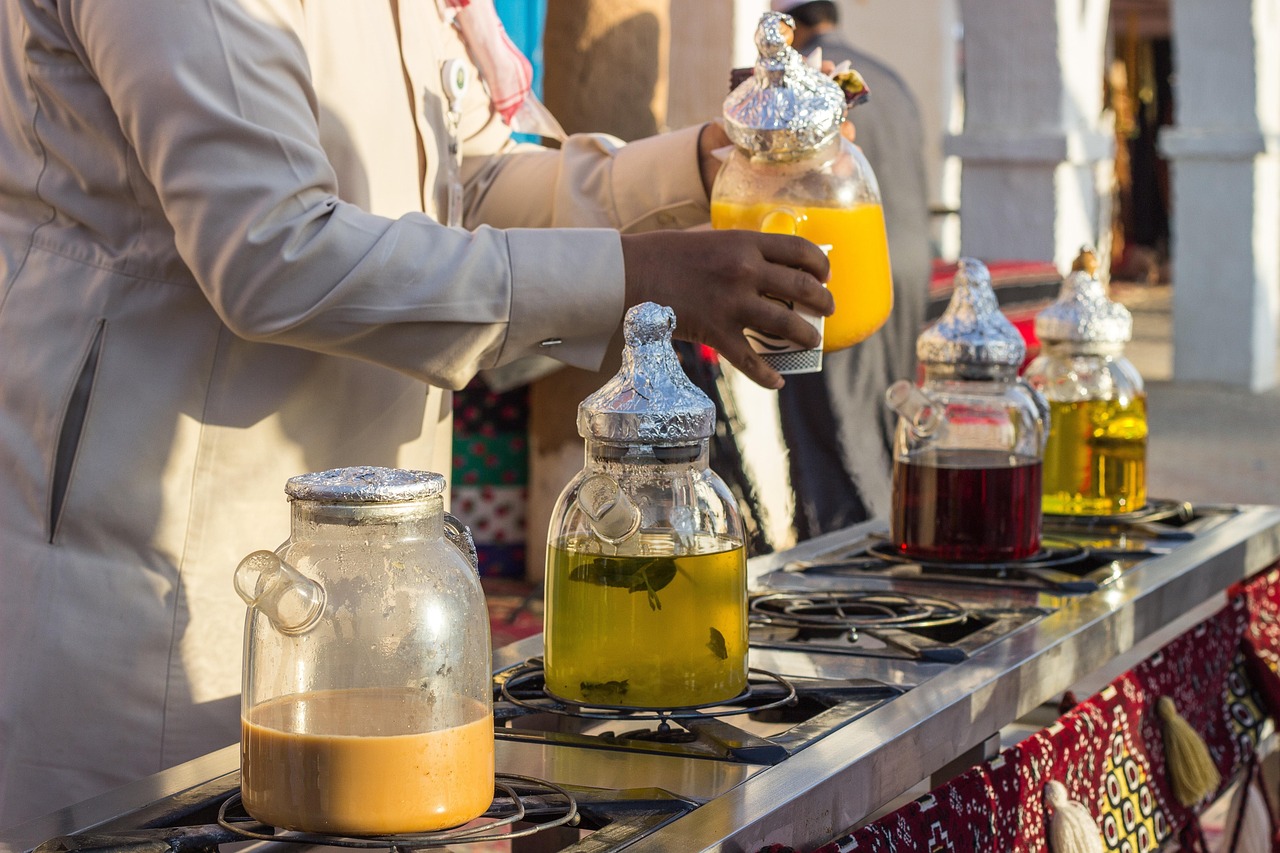
Tea, Arab, Saudi image.